New Zealand’s tea industry is thriving by blending traditional roots with a modern twist. Tea culture, established in the 19th century by missionaries, continues to blossom with a surge in specialty and wellness teas, reflecting consumer demands for sustainability and quality. Leading innovators like Zealong and Bell Tea use organic practices to cultivate premium teas. Challenges from international markets remain, but sustainable strategies promise growth. Discover more about the rich landscape and promising future of New Zealand’s tea industry.
The Origins of New Zealand’s Tea Tradition
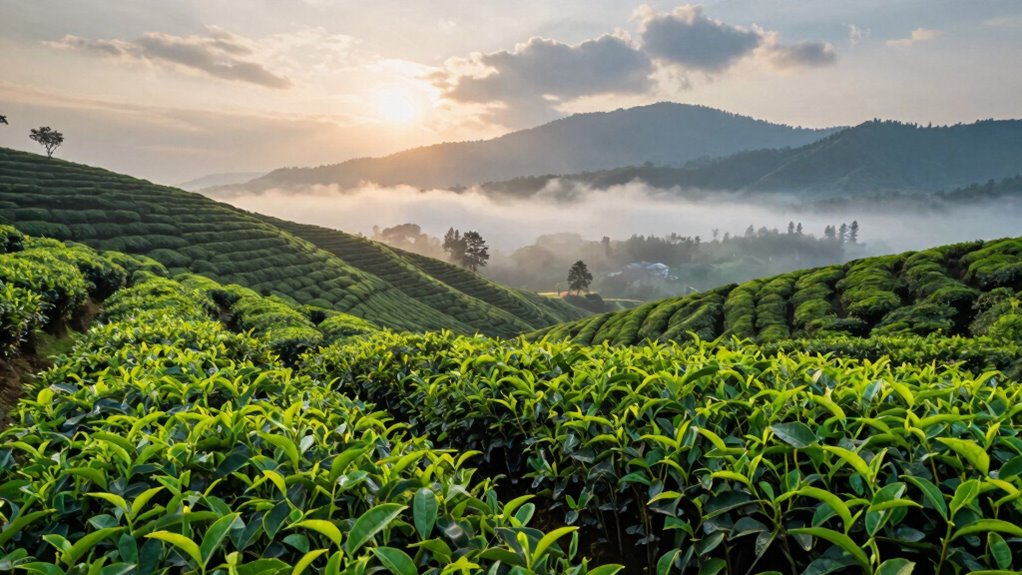
Although New Zealand is often celebrated for its stunning landscapes and vibrant culture, its tea tradition also holds a fascinating place in its history.
Black tea first arrived with sealers in the late 18th century, but it was the missionaries in the 19th century who really established the tea culture. By 1850, tea had replaced ale as the breakfast drink of choice, thanks to the temperance movement.
The love for tea surged, making New Zealand the highest tea consumer per capita by the 1870s, at 3.1 kg. Tea gardens emerged between 1850 and 1880, becoming popular social venues where men and women could mingle.
Tearooms evolved from these gardens, becoming iconic spaces for women’s socialization and reinforcing tea’s cultural significance. The health benefits of tea contributed to its growing popularity, enhancing not only social interactions but also overall well-being.
New Zealand’s Unique Tea Production Process
While New Zealand’s rich tea tradition has deep historical roots, the modern production process offers a unique perspective on how tea is crafted today.
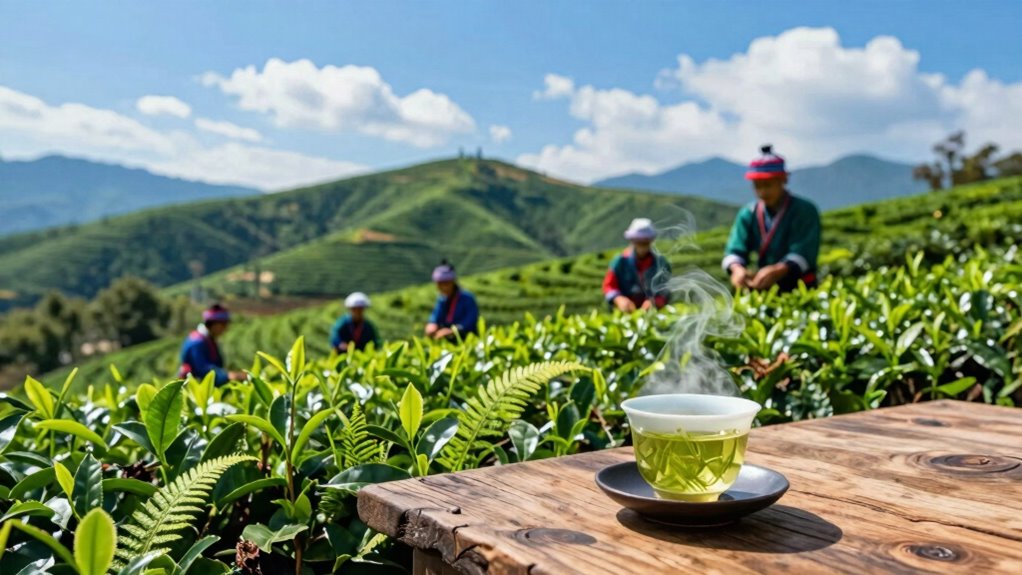
In New Zealand, tea production relies heavily on manual labor, with skilled workers hand-picking the freshest tea leaves to guarantee quality.
New Zealand-grown tea, particularly from Zealong, emphasizes organic practices and sustainability. They’ve achieved ISO 22000 certification and are BioGro certified organic, reflecting their commitment to high standards.
Despite setbacks from frosts in the mid-’90s, Zealong has innovated by processing oolong tea within 36 hours of picking. This quick turnaround maintains the tea’s freshness and flavor.
The unique climate—fog, rainfall, and sunshine—imbues locally grown teas with a distinct flavor profile, setting them apart globally. Additionally, the semi-oxidation process used in producing oolong tea contributes to its diverse taste spectrum, enhancing the overall quality and appeal of New Zealand’s offerings.
Specialty Teas and Consumer Trends in New Zealand
You’re witnessing a tea revolution in New Zealand, where the rise of artisan teas highlights a significant market shift towards quality and health-conscious choices.
With more Kiwis exploring unique flavors and blends, the demand for herbal, organic, and wellness teas is booming, driven by a preference for natural, antioxidant-rich options.
As cafes curate their tea selections to rival coffee offerings, the emphasis on premium, sustainably sourced varieties continues to grow, pointing to a bright future for the specialty tea market. Additionally, the incorporation of powerful antioxidants in these specialty teas supports overall wellness and enhances the appeal for health-conscious consumers.
Rise of Artisan Teas
As the world of tea evolves, New Zealand finds itself at the forefront of the artisan tea movement, with a notable surge in demand for specialty teas.
You’ll notice a growing interest in unique flavors and health benefits as one in four Kiwis tried a specialty tea last year. Consumers increasingly prefer herbal, organic, and wellness teas, driven by the recognition of health benefits from green tea and chamomile.
Local growers innovate by crafting blends that highlight New Zealand’s rich agricultural landscape, offering artisan teas that resonate with local identity. This market now boasts a value of nearly $90 million.
Cafes and tea retailers are adapting, offering premium options that rival New Zealand’s strong coffee culture.
Market Shift Towards Quality
Driven by a growing preference for quality over quantity, the New Zealand tea market is embracing a shift towards specialty teas. You’re seeing more premium tea sales as consumers focus on quality, sustainability, and ethical sourcing.
This shift is largely driven by health consciousness, with many New Zealanders trying specialty teas for their unique flavors and health benefits.
- Premium tea sales are increasing, reflecting a desire for quality.
- Health consciousness influences tea choices, with green tea’s antioxidant properties gaining popularity.
- Zealong Tea leads by example, producing high-quality organic oolong teas.
- Specialty teas offer variety, expanding beyond traditional black teas.
This trend reflects a broader global movement towards diverse and health-oriented tea options, setting New Zealand apart in the tea industry.
Health-Conscious Tea Choices
Why have specialty teas become such a popular choice among health-conscious New Zealanders?
It’s simple: these teas offer a blend of unique flavors and health benefits that appeal to anyone seeking a healthier lifestyle.
With one in four Kiwis trying specialty teas last year, there’s a notable shift towards organic and wellness teas.
New Zealanders are increasingly drawn to teas like green tea, known for its antioxidants, and chamomile, which promotes relaxation.
As health and wellness trends continue to rise, so does the demand for innovative blends that highlight the country’s rich agricultural landscape.
Cafés are catching on, offering quality tea options that emphasize sustainability and ethically sourced ingredients, catering to those who prioritize natural, health-promoting beverages.
Leading Companies and Innovators in New Zealand’s Tea Market
In New Zealand’s tea market, Bell Tea stands as a dominant force, capturing over 40% of the market share with its ability to adapt to consumer demands for specialty teas.
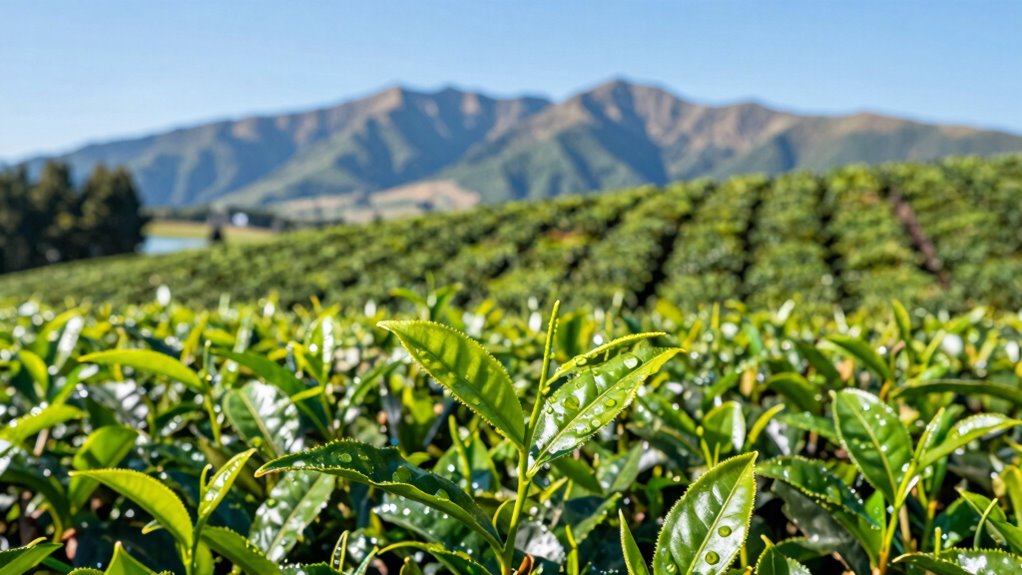
Meanwhile, Zealong Tea has carved out a niche by focusing on organic innovations, cultivating over 1.2 million plants in Waikato to produce high-quality oolong teas.
Both companies exemplify the blend of tradition and innovation that characterizes New Zealand’s tea industry, offering insights into their strategies and successes.
Bell Tea’s Market Dominance
Although the tea market in New Zealand is competitive, Bell Tea’s market dominance is undeniable. As the largest tea brand, Bell Tea holds over 40% of New Zealand’s unique tea market. This success stems from their ability to adapt and innovate, ensuring they remain relevant amid changing consumer preferences.
Bell Tea stands out due to:
- Their introduction of pyramid tea bags, boosting quality perception.
- The historical use of tea tins during WWI, which fostered brand loyalty.
- A diverse product line, including specialty teas, catering to varied tastes.
- The ‘NZ Live’ line, which appeals to health-conscious consumers with native botanicals.
These strategies have cemented Bell Tea’s position as a leader, skillfully maneuvering the evolving demands of New Zealand’s tea enthusiasts.
Zealong’s Organic Innovations
Bell Tea’s stronghold on New Zealand’s tea market sets a high bar, but innovation isn’t limited to large brands.
Zealong stands out as the country’s only commercial producer of organic tea, specializing in oolong varieties. Starting with just 130 imported plants, they’ve expanded to over 1.2 million, a reflection of their commitment to sustainable tea cultivation.
You won’t find synthetic chemicals here; Zealong relies on natural rain and fog, maintaining strict organic practices. Their meticulous 36-hour processing cycle, overseen by skilled tea masters, guarantees quality.
Internationally acclaimed, Zealong exports to Germany, the UK, the USA, and China. With awards like the Lifetime Achievement Award, they set a new standard in tea cultivation, blending traditional methods with modern innovations.
Overcoming Industry Challenges and Capitalizing on Growth Opportunities
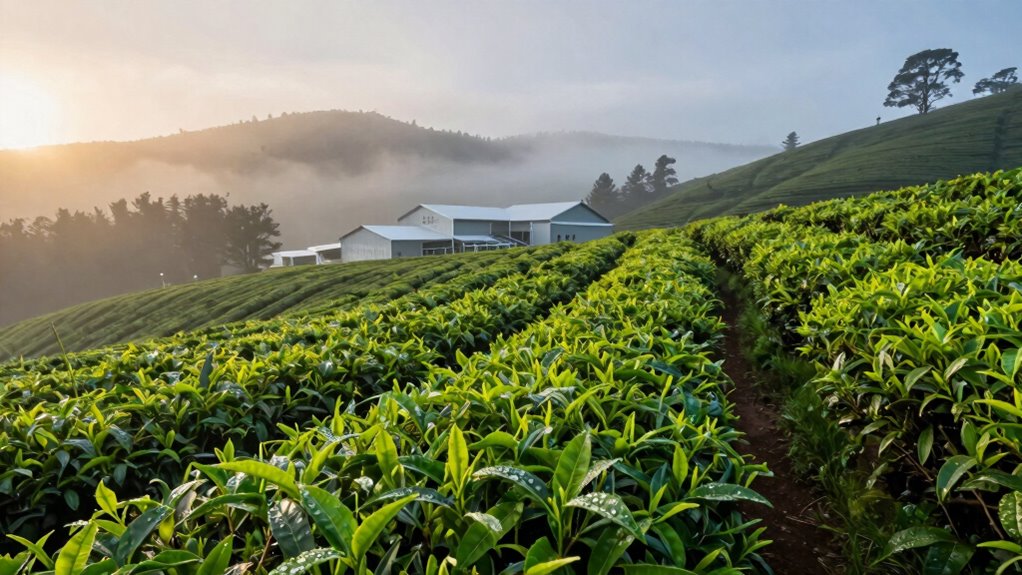
Faced with stiff competition from international brands and the rising costs of imported teas, New Zealand’s tea industry must navigate a challenging landscape to thrive.
As a local producer, you’re tasked with growing tea in New Zealand’s unique conditions, ensuring high-quality tea that stands out from the global crowd. The initial investment might seem intimidating, but the rewards are promising thanks to a surge in consumer interest in sustainable and premium teas.
Here are some strategies to contemplate:
- Focus on sustainability, appealing to eco-conscious consumers.
- Promote high-quality tea, emphasizing local craftsmanship.
- Explore specialty and wellness teas, tapping into niche markets.
- Leverage technological advancements in production to reduce costs.
Innovation in Tea Production
Innovation in tea production is essential for New Zealand’s tea industry, allowing it to stand out in a crowded global market.
Zealong Tea leads the charge with innovative Taiwanese-style oolong tea techniques, focusing heavily on quality and sustainability. Through organic farming practices, Zealong guarantees its teas are both premium and environmentally friendly. The production process involves the careful hand-picking of the top three leaves, processed within 36 hours to preserve flavor.
Advanced technology plays a role, too, by precisely monitoring oxidation and de-enzyming, enhancing overall quality.
Meanwhile, the Purangi Tea Collection works to preserve rare tea plant varieties, showcasing innovation despite past challenges. Local producers are also embracing sustainable practices, creating unique blends that highlight New Zealand’s rich agricultural landscape.
What’s Next for New Zealand’s Tea Culture?
As New Zealand’s tea culture evolves, it’s clear that the future holds exciting possibilities. The country’s love for tea remains strong, with an increasing focus on wellness benefits and the allure of imported teas.
Here’s what’s next for New Zealand’s tea scene:
- Specialty Teas: Expect a rise in popularity for organic and wellness varieties as more Kiwis seek health-conscious options.
- Premium Tea Market: A growing demand for high-quality, sustainably sourced products mirrors trends in the coffee industry.
- Local Innovation: Zealong Tea’s efforts in organic oolong teas set a high standard for quality and sustainability.
- Community Engagement: Tea education, along with events like tea gastronomy challenges, fosters a deeper appreciation of tea’s historical and cultural significance.
These trends promise a vibrant and evolving tea culture.
Frequently Asked Questions
Which Industry Is Booming in New Zealand?
You’re seeing the tea industry booming in New Zealand. Tea exports growth and local tea shops are thriving, while sustainable farming practices fuel expansion. It’s an exciting time for tea lovers and those invested in eco-friendly agriculture.
Does Tea Grow in New Zealand?
Yes, tea grows in New Zealand. You can find local varieties thriving due to the unique climate. The impact of fog, rainfall, and sunshine supports successful tea cultivation, making it a promising area for growth.
Which Country Holds the Leading Position in the Tea Industry?
China dominates the tea industry like a giant overshadowing its peers, leading in production and consumption. You’ll find India exports vast amounts, while Sri Lanka’s focus on quality guarantees their distinct teas remain globally revered.
What Is New Zealand’s Main Culture?
You’d find New Zealand’s main culture is a vibrant mix of Māori traditions and Pacific influences, seamlessly blending with modern adaptations. It creates a unique identity celebrated in art, language, and community, showcasing diversity and inclusivity.
Wrapping It Up
In New Zealand, you’re witnessing a tea industry that’s not only growing but also transforming culture. Think of it as a budding flower, poised to blossom into a vibrant market with unique production processes and specialty blends. By embracing innovation and addressing challenges head-on, you can expect New Zealand’s tea culture to flourish. As the industry evolves, opportunities for growth and exploration are ripe, inviting you to plunge into a world where tradition meets modernity.