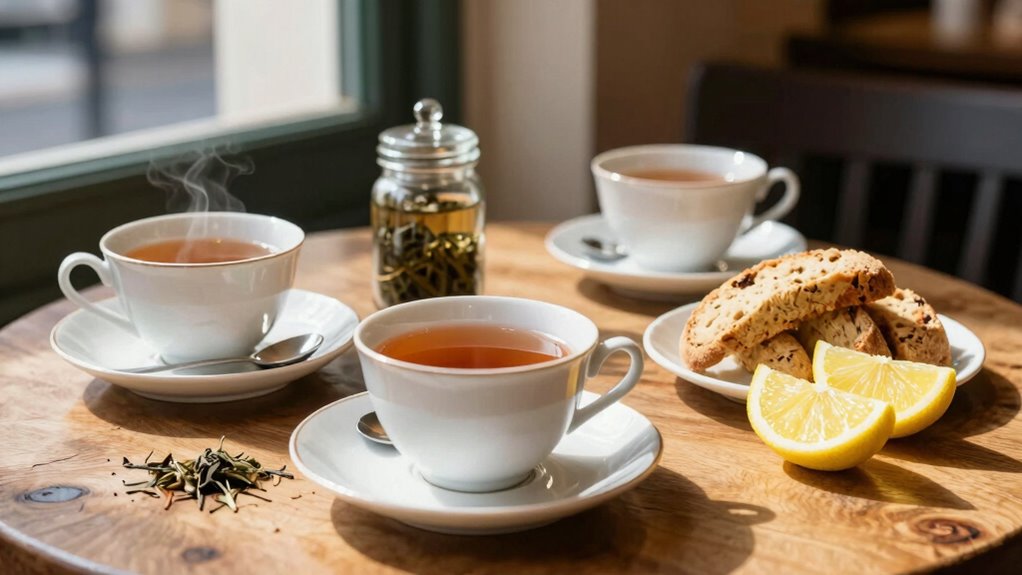
Italian tea culture is transforming with a youthful enthusiasm and innovative spirit. In cities like Rome and Milan, the rise of tea is fueled by culinary curiosity, global influences, and social media trends. Urban tea expos, such as the annual event in Bologna, spotlight tea as both a sophisticated and social drink. Unique tea and food pairings are now integral to dining experiences. Explore how Italy’s vibrant tea shops and events are reshaping this ancient tradition today.
Understanding the Rise of Tea Culture in Italy
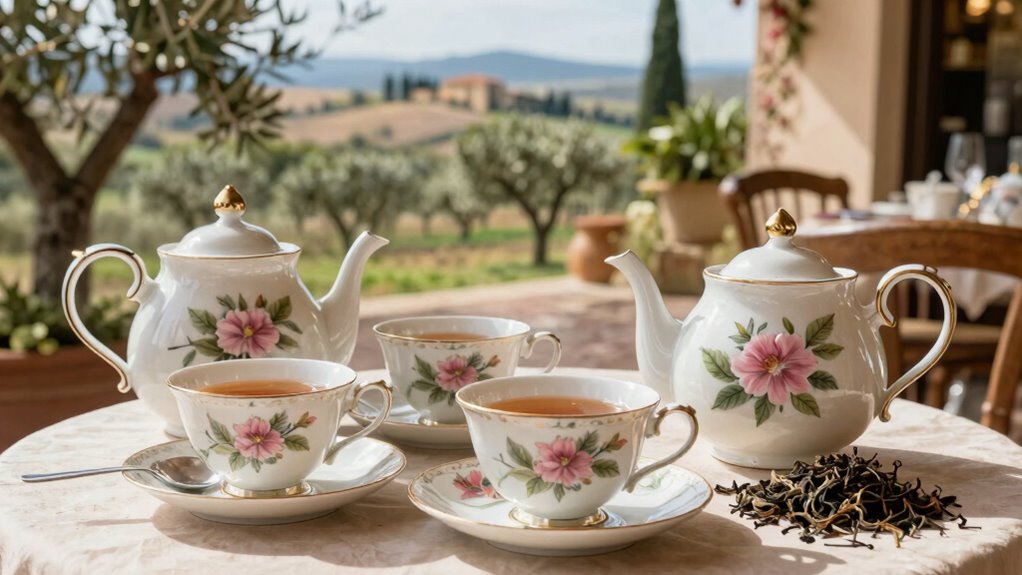
Although Italy is traditionally known for its espresso culture, the rise of tea culture in the country over the past 15 years is undeniable.
You’ve probably noticed more tea in Italy, especially in cities like Rome and Milan, where younger generations and tourists have embraced it.
The first Italian tea expo in Bologna was a milestone, showcasing an increasing interest in tea and local production.
This event highlighted how Italian tea culture is evolving, catching the attention of enthusiasts and newcomers alike.
To support this growing trend, the Italian magazine Fogli di Tè was launched.
It serves as a platform to deepen appreciation and knowledge of tea, further fueling the curiosity and engagement around this once-overlooked beverage in Italy.
In this context, tea serves as a common thread connecting diverse cultures, reflecting cultural significance in its growing presence within Italian society.
Factors Spurring Tea’s Rise in Italy
You’ll notice that tea’s popularity in Italy is on the rise, driven by a blend of culinary and global influences.
The surge in Asian cuisine and increased tourism has piqued interest in diverse tea offerings, while younger generations in cities like Rome and Milan embrace tea as a trendy beverage choice.
With the establishment of events like the Italian tea expo and the presence of local tea production in Tuscany, it’s clear that Italy’s tea culture is evolving rapidly.
Culinary and Global Influences
As Italian tastes evolve, the rising popularity of Asian cuisine has significantly contributed to the increased consumption of tea across the country. Italians are discovering diverse tea varieties introduced through culinary influences.
The first Italian tea expo was held in Bologna, showcasing the nation’s growing interest in tea culture and its rich varieties. This event marked a significant step in broadening the Italian palate.
Urban areas like Rome, Florence, Milan, and Venice have seen a rapid growth in tea consumption. Increased tourism and globalization have exposed Italians to global tea practices, leading to a shift in perception.
Additionally, the emergence of tea subscription services and specialized tea purveyors has made tea more accessible, fashionable, and a staple in Italian daily life. This trend aligns with the millennial preference for customizable tea blends, allowing for a more personalized tea experience.
Youth-Driven Tea Trends
The surge in tea’s popularity among Italian youth over the past 15 years is reshaping the nation’s beverage landscape.
Youth-driven tea trends are emerging as younger generations in cities like Rome and Milan explore new flavor profiles. Italian culture, traditionally dominated by coffee, now embraces gourmet tea as a stylish alternative.
This shift is fueled by increased exposure to global tea experiences, largely through tourism and social media. Platforms like Instagram allow young Italians to share their tea adventures, creating vibrant communities of enthusiasts.
Tea companies are responding by offering diverse options and hosting events like Italy’s first tea expo in Bologna. These initiatives cultivate a deeper appreciation for tea, ensuring its place within contemporary Italian culture. Additionally, the incorporation of mindful preparation into tea drinking fosters a greater connection to the beverage experience.
Asian Cuisine Popularity
While Italian cuisine has long been synonymous with pasta and espresso, the burgeoning popularity of Asian cuisine is reshaping the country’s culinary landscape, sparking a newfound interest in tea.
You’re seeing this shift as young Italians, influenced by global trends, enthusiastically explore tea experiences. They’re drawn to the exotic flavors and traditions of Asian cuisine, where tea plays a central role.
Trendy Japanese restaurants have sprung up, offering tea pairings that enhance the dining experience. Social media and travel have further exposed Italians to diverse tea cultures, encouraging them to integrate tea into their meals.
Events like the Italian tea expo in Bologna highlight this growing tea culture, making it a fashionable choice in urban centers across Italy.
Exploring the New Italian Tea Experience
Although Italy has long been known for its rich coffee culture, the new Italian tea experience is redefining beverage choices for many, especially in bustling urban centers.
Over the past 15 years, interest in tea has surged, particularly among younger generations in cities like Rome, Florence, Milan, and Venice. This shift sees tea emerging as a fashionable drink, celebrated for its diverse global varieties and innovative culinary pairings in gourmet settings.
The rise of social media and travel has exposed you to various tea cultures, making tea a leisurely and social beverage. Italian tea purveyors are gaining international acclaim, and even a tea farm in Tuscany showcases local production.
The first Italian tea expo in Bologna underscored the country’s growing appreciation for tea culture.
Creating Perfect Tea and Food Pairings
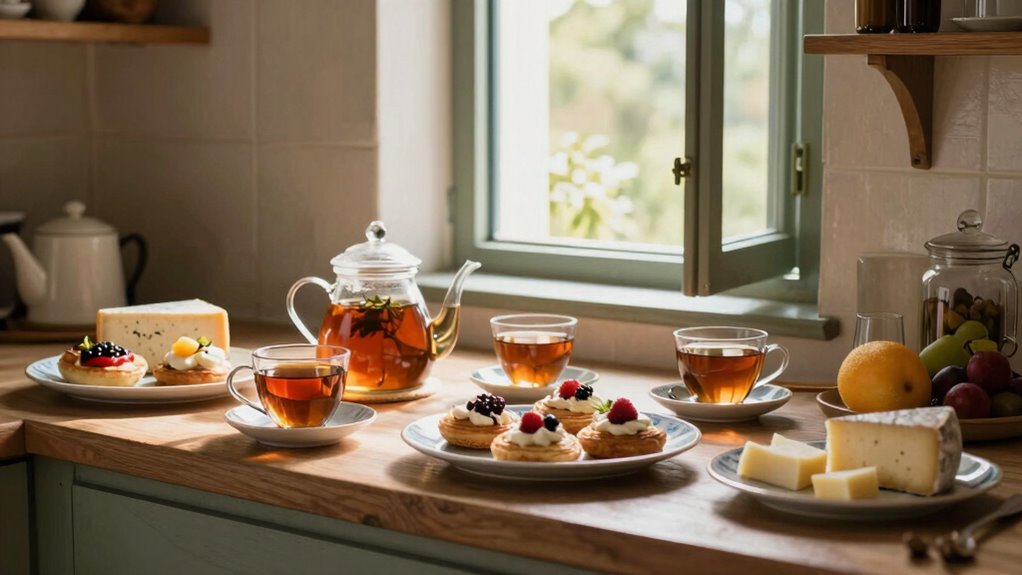
In Italy, Michelin-starred restaurants are embracing the art of tea and food pairings, showcasing how tea’s versatility can enhance your dining experience.
By exploring flavor combinations, like pairing Earl Grey with pastries or green teas with seafood, you can elevate the taste of your meals.
With chefs creatively incorporating tea into dishes through infusions and marinades, you’re invited to witness a culinary innovation that’s reshaping the way Italians appreciate tea.
Michelin-Starred Restaurant Influence
Subtly reshaping Italy’s culinary landscape, Michelin-starred restaurants are embracing the art of tea and food pairings, turning a simple beverage into a cornerstone of gourmet dining experiences.
This culinary trend is gaining momentum as chefs at renowned establishments like Piazza Duomo explore creative tea pairing experiences. By integrating tea, they elevate fine dining, transforming it into an educational journey that enhances your appreciation for this versatile drink.
Chefs meticulously match tea flavors with gourmet dishes, creating harmonious taste profiles that delight the palate.
Consider these key insights:
- Tea as a Complement: Elevates dishes, adding depth and complexity.
- Educational Experience: Encourages diners to appreciate tea’s nuances.
- Cultural Shift: Reflects a broader move towards quality and origin in beverages.
This movement mirrors Italy’s cherished coffee culture, carving a distinguished space for tea in gastronomy.
Exploring Flavor Combinations
When exploring the world of tea and food pairings, you’ll find that Italian cuisine offers a wealth of unique combinations that delight the senses.
Imagine savoring Earl Grey tea, enhanced with local Bergamot oranges, alongside lemon-infused pastries. The revitalizing contrast elevates your experience beyond the ordinary coffee break.
Michelin-starred restaurants in Italy are now experimenting with tea pairings, showcasing how versatile tea can be with gourmet dishes.
Consider enjoying Tramezzini sandwiches filled with prosciutto and arugula, perfectly complementing the savory notes of certain black teas.
This growing trend reflects a cultural shift, embracing tea as a sophisticated choice in dining.
As you explore these flavor pairings, you’ll discover an exciting, emerging aspect of Italian culinary tradition.
Culinary Innovation With Tea
Italian tea culture is experiencing a renaissance, marked by a surge in culinary innovation that centers on creating perfect tea and food pairings.
Michelin-starred restaurants are leading this trend, showcasing how tea’s versatility can elevate the dining experience. You’re likely to see chefs experimenting with various tea types to complement their dishes, making tea pairings an art form in itself.
Italian tea purveyors are also exploring unique combinations, such as pairing herbal teas with desserts, aiming to craft innovative culinary experiences.
Here are three popular tea pairings you might encounter:
- Earl Grey with savory scones: Perfect for those who appreciate a bold aroma.
- Green tea with light seafood dishes: Enhances delicate flavors.
- Herbal teas with desserts: Offers a revitalizing finish.
Italian Tea Events as Cultural Catalysts
As Italy embraces a burgeoning tea culture, events like the annual tea expo in Bologna have become essential in transforming perceptions of tea from a mere medicinal drink to a celebrated social beverage.
Italian tea events, such as tea festivals and tastings, play a significant role in this cultural shift. They provide a platform for tea enthusiasts and industry professionals to exchange knowledge and appreciate diverse tea varieties.
These gatherings, often held in urban centers, educate attendees about tea’s origins, brewing techniques, and culinary pairings. By doing so, they integrate tea into the Italian lifestyle, emphasizing its social and leisurely aspects.
Moreover, these events foster a vibrant community, where tea lovers can connect and share experiences, enriching the nation’s tea culture.
Discovering Italy’s Tea Shops and Purveyors
Though Italy is traditionally known for its rich coffee culture, an increasing number of tea shops and purveyors are making their mark across the country, inviting you to explore a diverse and vibrant tea scene.
These establishments are redefining Italian tea culture by offering high-quality blends and unique experiences.
- Babingtons Tea Room in Rome, established in 1893, is a historic gem where you can indulge in a classic afternoon tea.
- La Via del Tè is an Italian tea company gaining international recognition for its exceptional blends and commitment to quality.
- Discover a tea farm in Tuscany, showcasing local production and incorporating Italian-grown ingredients into its unique blends.
These venues and purveyors highlight Italy’s evolving appreciation for tea, offering a delightful journey for any tea enthusiast.
Future Prospects for Tea in Italian Culture
The vibrant tea scene in Italy isn’t just a passing trend but a burgeoning movement with promising prospects.
Italian tea culture continues to flourish, fueled by tea expos like the one in Bologna, highlighting a growing appreciation for tea.
You’re witnessing a significant rise in tea consumption, especially in cities like Rome and Milan, where younger generations are embracing it.
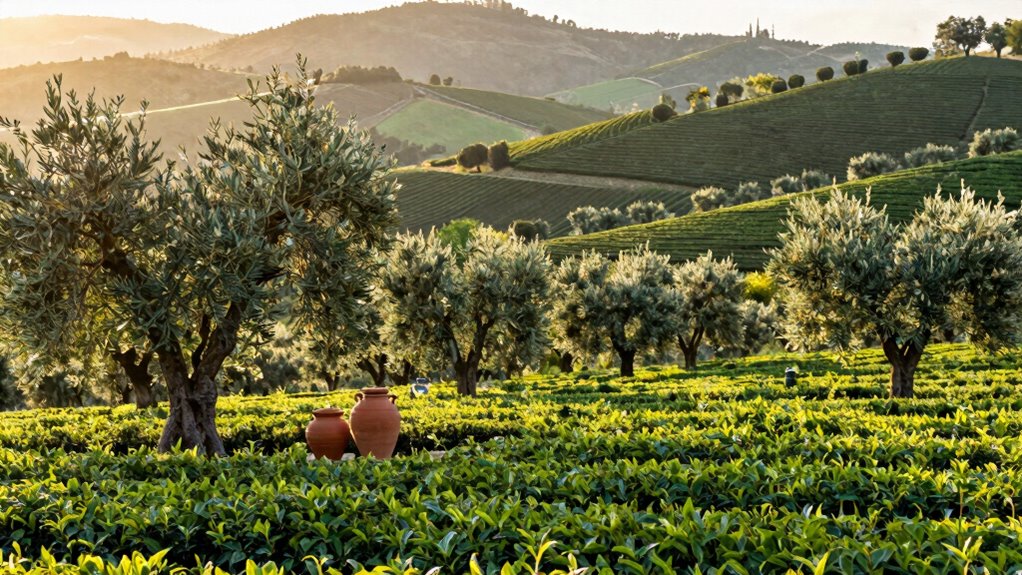
The tea farm in Tuscany represents a local initiative shaping a unique Italian tea culture, focusing on quality and local production.
Culinary experimentation is also on the rise, with Michelin-starred restaurants adding innovative tea pairings to their menus.
With dedicated publications like Fogli di Tè, Italy’s future in tea is bright and rich with potential.
Frequently Asked Questions
What Are Some Italian Cultural Traditions?
You immerse yourself in Italian cultural traditions by joining family gatherings, experiencing festive celebrations, savoring regional cuisine, and wearing traditional attire. Embrace the warmth of communal meals and the vibrant atmosphere of parades and saint days.
What Tea Is Famous in Italy?
Have you ever tried Italian tea? You’ll find Earl Grey and English Breakfast as popular choices. Don’t miss herbal blends and regional varieties, often featured in tea ceremonies, highlighting Italy’s growing appreciation for diverse flavors and traditions.
What Is the Coffee Rule in Italy?
In Italy, the coffee rule dictates espresso etiquette where you drink coffee quickly. Enjoy cappuccinos only in the morning. Coffee types vary, but savor them in the lively coffee shop culture, connecting with friends and family.
Which Country Is No. 1 in Tea Production?
China leads in tea production, topping global rankings with 37% market share. You see agricultural factors, like vast plantations and skilled labor, boosting their output. Market trends favor China’s dominance, reinforcing their premier position in the industry.
Wrapping It Up
You’re witnessing a revolution in Italian culture as tea transforms from a niche interest to a national obsession. The aroma of freshly brewed leaves wafts through Italy’s bustling streets, while tea shops pop up like mushrooms after rain, offering exquisite blends and experiences. As you explore this rising trend, you’ll find that tea isn’t just a beverage—it’s a new social ritual. Embrace this energetic wave, and you’ll discover endless opportunities for enjoyment and innovation in Italy’s emerging tea scene.