

Tea, especially green tea, is touted for its potential role in cancer prevention due to its high antioxidant content, like catechins. Studies suggest tea might lower the risk of certain cancers, including colon, breast, and ovarian cancer, though evidence is inconsistent. To maximize benefits, consume tea at a moderate temperature and avoid excess sugar. While promising, tea’s role in cancer prevention isn’t fully proven, so consulting health professionals for personalized advice is wise. There’s more to discover about tea’s health benefits.
Can Tea Prevent Cancer? Understanding the Basics
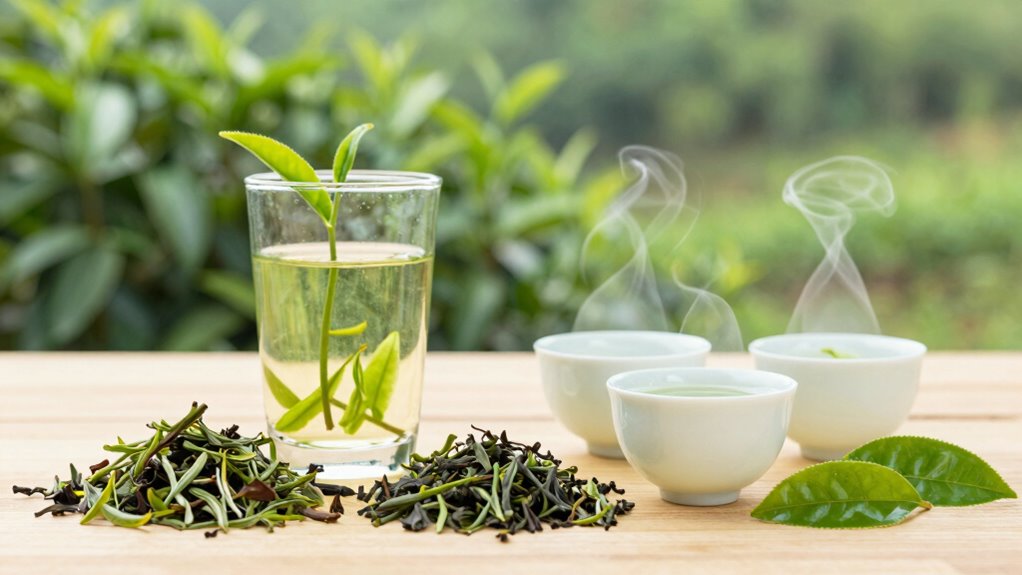
While the idea that tea can prevent cancer is intriguing, it’s essential to understand the basics behind this claim.
Tea, especially green tea, contains polyphenols like catechins known for their antioxidant properties, which could potentially offer health benefits, including cancer prevention.
However, evidence from epidemiological studies is inconsistent. Some research suggests that tea might lower the risk of cancers such as colon, breast, and ovarian, while other studies find no significant effect.
It’s important to remember that drinking scalding hot tea might increase the risk of esophageal cancer, so it’s best consumed warm or cooled.
The National Cancer Institute doesn’t endorse tea for cancer prevention due to inconclusive evidence, emphasizing the need for more research to reach definitive conclusions. Additionally, polyphenols in tea have been associated with various health benefits beyond cancer prevention, highlighting the importance of a balanced diet.
Exploring Different Types of Tea and Their Benefits
Although the world of tea offers a rich tapestry of flavors and traditions, understanding the distinct types and their potential health benefits can enhance your experience.
Green and black tea are two popular variants, each with unique properties that may impact cancer risk. Green tea, rich in catechins like epigallocatechin-3-gallate (EGCG), is known for its powerful antioxidant effects. Black tea, though lower in catechins, still offers health benefits and has been linked to a reduced risk of some cancers. Here’s a quick guide to their potential advantages:
- Green tea: High catechin content, may lower cancer risk.
- Black tea: May reduce certain cancer risks.
- Oolong tea: Moderate catechin levels.
- White tea: Least processed, retains antioxidants.
- Bladder cancer: Tea might lower risk. Additionally, the antioxidants in tea may help protect against free radicals that contribute to cancer development.
How Tea’s Antioxidants Might Help Fight Cancer
You might be interested to know that tea’s antioxidants, especially catechins like EGCG, play an essential role in protecting your cells from oxidative stress, which is often linked to cancer development.
These powerful compounds not only help guard against cell damage but also potentially reduce inflammation, supporting your body’s natural defenses against cancer.
While laboratory studies show that green tea extracts can inhibit cancer cell growth, more research is needed to confirm these promising effects in humans. Additionally, regular tea drinking may enhance mental focus and mood, further supporting overall well-being during cancer prevention efforts.
Antioxidant Properties Explored
Tea’s antioxidants, especially those found in green tea, play an essential role in cancer prevention research. The antioxidant properties of polyphenols, particularly epigallocatechin-3-gallate (EGCG), are known to protect cells from oxidative stress, a factor linked to cancer.
These compounds have shown potential in laboratory studies by inhibiting cancer cell growth and proliferation. However, the effectiveness of tea in cancer prevention varies across studies, so more research is needed to establish clear relationships.
- Rich in polyphenols, especially catechins like EGCG
- Shown to protect cells from oxidative stress
- Evidence suggests inhibition of cancer cell growth
- Varying catechin levels in teas like green, black, and oolong
- Inconsistent epidemiological study findings on cancer risk
Understanding these antioxidant properties is vital in determining tea’s role in cancer prevention.
Impact of Catechins
While research continues to uncover the benefits of tea’s antioxidants, catechins like epigallocatechin-3-gallate (EGCG) stand out as powerful allies in the fight against cancer. These active antioxidants, found abundantly in green tea, are believed to inhibit cancer cell growth and reduce tumor formation.
Green tea’s lower oxidation levels compared to black tea mean it offers higher concentrations of catechins, potentially enhancing its cancer prevention properties. Besides their cancer-fighting capabilities, catechins improve insulin sensitivity and help regulate blood sugar, which are factors linked to cancer risk.
Although some epidemiological studies suggest a connection between higher catechin intake and reduced cancer risks, more randomized controlled trials are essential to confirm these health benefits definitively.
Stay informed and consider incorporating tea into your daily routine.
Current Research Findings on Tea and Cancer
Although the potential link between tea consumption and cancer prevention has sparked significant interest, current research findings are far from conclusive.
Over 50 epidemiologic studies since 2006 have shown mixed results, particularly regarding breast cancer. Some studies suggest that drinking tea may reduce the risk of certain cancers, but results are inconsistent.
Here’s what you need to know:
- Tea drinkers might’ve lower risks of colon, breast, ovary, prostate, and lung cancers.
- The Nurses’ Health Study found a link between high flavonoid intake and lower ovarian cancer risk.
- Green and black tea could play a role in reducing ovarian cancer risk.
- Laboratory studies indicate green tea extracts might inhibit cancer cell growth.
- The National Cancer Institute doesn’t endorse tea for cancer risk reduction yet.
Challenges in Establishing Tea’s Cancer-Prevention Role
Given the mixed results from over 50 epidemiologic studies since 2006, establishing a clear role for tea in cancer prevention is challenging.
While some research suggests that green and black tea may lower the risk of certain cancers like ovarian and colon, other studies don’t show significant benefits. This inconsistency makes it tough to draw solid conclusions about tea’s cancer-preventive potential.
Different tea preparation methods, consumption habits, and lifestyle factors add to the complexity.
Additionally, the limited clinical trials conducted haven’t provided clear evidence to support tea’s role in cancer prevention. As a result, the National Cancer Institute doesn’t recommend tea for reducing cancer risk.
More research is needed to determine whether tea truly offers cancer-preventive benefits.
How to Safely Incorporate Tea Into Your Diet
Understanding how to safely incorporate tea into your diet can help you enjoy its potential health benefits without unintended consequences.
Start by ensuring your tea is made in a way that maximizes its benefits. Here are some tips:
- Aim for 3 to 5 cups: This range is often recommended for green tea consumption.
- Avoid scalding hot: Drink your tea warm or cooled to reduce the risk of esophageal cancer.
- Limit added sugars: Excess sugars can counteract tea’s positive effects.
- Monitor caffeine intake: Be aware of potential sleep disturbances or jitters.
- Consult with a healthcare professional: It’s essential before making significant dietary changes.
Seek Professional Health Advice Before Making Changes
When considering changes to your tea consumption, especially for potential cancer prevention, it’s essential to seek professional health advice. Consulting healthcare professionals guarantees your safety, particularly if you’re undergoing cancer treatment or managing existing health conditions.
Herbal teas can interact with medications and supplements, so expert guidance helps you avoid potential side effects. The evidence about tea’s role in cancer prevention is inconsistent, making personalized advice invaluable for informed decisions.
Pregnant or breastfeeding women have additional considerations, as certain tea compounds may impact their health or their child’s. Understanding the potential side effects, such as caffeine-related issues, underscores the importance of professional health advice.
Maneuvering these complexities with expert support empowers you to integrate tea safely into your diet.
Frequently Asked Questions
Can Herbal Teas Also Aid in Cancer Prevention?
Yes, herbal teas can aid in cancer prevention. You’ll find cancer-fighting properties and antioxidants in tea. Different types of herbal teas, like green or chamomile, offer unique herbal tea benefits that contribute to overall health.
Are There Any Side Effects of Consuming Too Much Tea?
Imagine your body as a delicate ecosystem. Drinking too much tea can upset this balance, causing caffeine sensitivity, impacting kidney health, disrupting hydration balance, and leading to digestive issues. Moderation keeps your system flourishing harmoniously.
What Is the Recommended Daily Intake of Green Tea for Health Benefits?
You should aim for 3-5 cups of green tea daily to maximize health benefits. Guarantee ideal brewing to enhance antioxidant properties. Regular consumption boosts metabolism and improves heart health, providing extensive green tea benefits for everyday wellness.
Can Tea Interact With Medications or Treatments for Cancer?
Oh, you’d think tea’s innocent, right? But it can meddle with medication absorption, altering your cancer treatment’s effectiveness. Its metabolism can trigger unexpected herbal interactions. So, always chat with your doctor before sipping that “harmless” brew.
Are There Specific Times of Day When Drinking Tea Is Most Beneficial?
Yes, drinking tea at specific times offers benefits. Morning rituals with tea can invigorate you, afternoon boosts provide energy, and evening relaxation with a warm cup aids in winding down. Timing enhances tea’s positive effects.
Wrapping It Up
You’ve learned that tea might be a superhero in the fight against cancer, thanks to its powerful antioxidants. While not a miracle cure, research suggests it could play a role in reducing cancer risk. Immerse yourself in the world of tea, explore its variety, and discover the potential benefits. But remember, before making any big changes to your diet, chat with a healthcare professional. Embrace tea as a part of a healthy lifestyle and savor its potential benefits!