
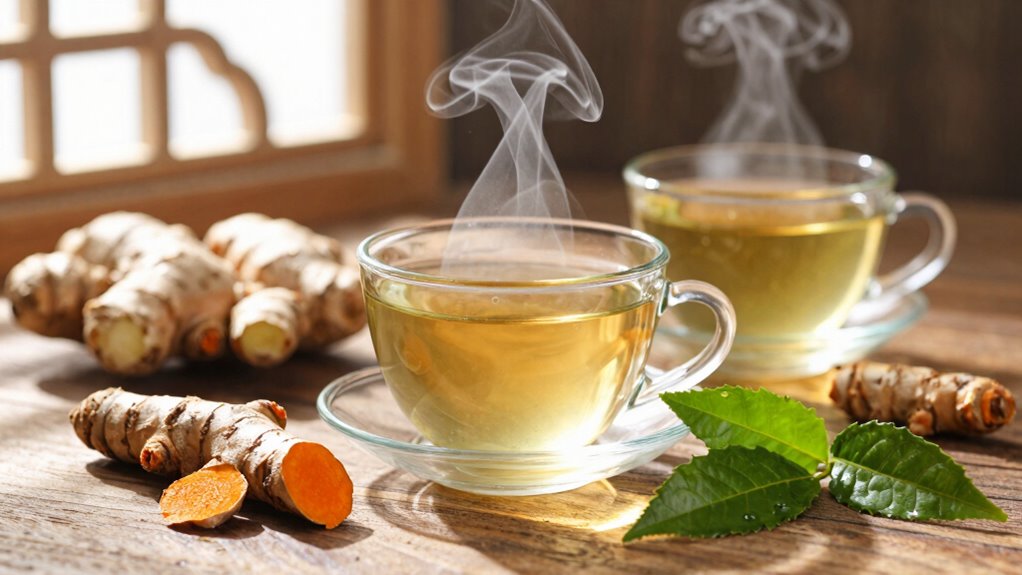
Discover the powerful anti-inflammatory effects of tea! Compounds like polyphenols and catechins in green, black, and herbal teas help reduce inflammation and support your overall wellness. Regular consumption not only lowers inflammatory markers but also decreases the risk of chronic diseases. While the benefits are promising, be cautious of excessive intake to avoid issues like stomach cramps or jitters from caffeine. Explore how tea, when brewed correctly, can be an essential addition to your wellness routine.
How Tea Reduces Inflammation
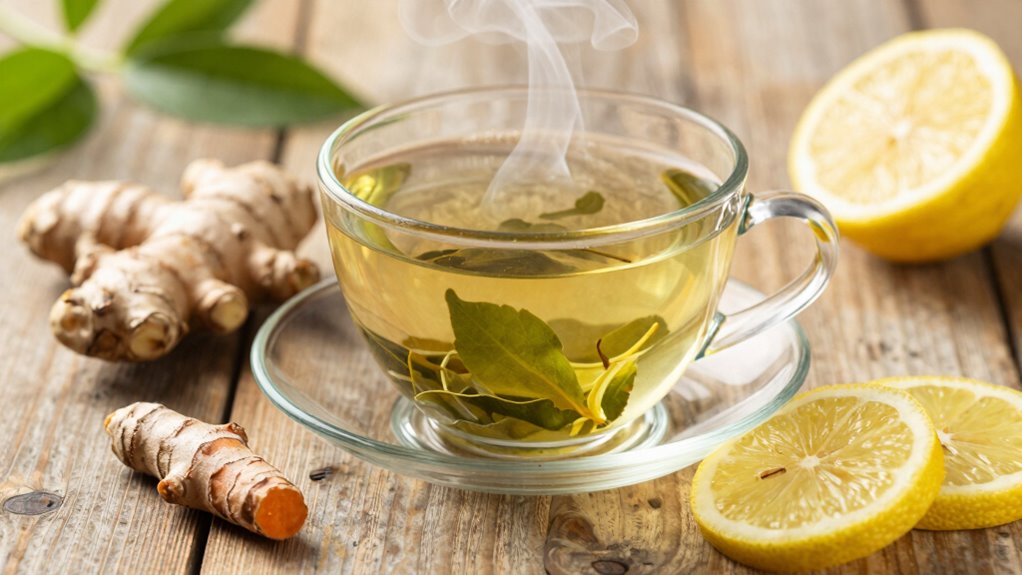
While tea has been a cherished beverage for centuries, its ability to reduce inflammation is particularly remarkable. You might be surprised to learn that tea, particularly green tea extract, can support your immune system while reducing inflammation. This is due to polyphenols, specifically catechins, which are abundant in green tea.
These compounds help lower inflammatory markers in the body, offering relief to those prone to inflammation-related conditions. Moreover, regular black tea drinkers often experience reduced levels of C-reactive protein, a key inflammation indicator. If you’re dealing with obesity or high blood pressure, green tea can be particularly beneficial, managing inflammation effectively. Additionally, the antioxidants in tea may decrease inflammation, contributing to overall health benefits.
Health Benefits of Various Teas
When you explore the health benefits of various teas, you’ll find that their rich polyphenol content plays a vital role. These compounds, like the catechins in green tea and the flavonoids in black tea, help reduce inflammatory markers, potentially lowering your risk of chronic conditions such as heart disease. Additionally, antioxidants in tea can improve heart health and reduce disease risk, further underscoring the importance of incorporating tea into your diet.
Polyphenols and Health Benefits
Polyphenols, powerful compounds found in various teas, play an essential role in promoting health by reducing inflammation.
These antioxidants, particularly catechins in green tea, combat chronic inflammation, which can lead to serious health issues. By consuming teas rich in polyphenols, you can experience numerous health benefits, including a reduced risk of chronic diseases like heart disease and diabetes.
Black tea and herbal teas also contribute to decreased levels of inflammatory factors, offering protective effects against chronic inflammation.
Regularly enjoying green tea is especially beneficial for individuals dealing with obesity and high blood pressure, as it lowers inflammatory factors. Additionally, engaging in tea rituals can further enhance the health benefits you receive from these anti-inflammatory beverages.
Integrating these teas into your daily routine can notably enhance your overall health by leveraging their potent anti-inflammatory properties.
Reducing Inflammatory Markers
Green and black teas, along with herbal varieties, offer significant benefits when it comes to reducing inflammatory markers in the body.
Drinking black tea can lower C-reactive protein levels, a key marker of inflammation, indicating its potential in reducing inflammatory responses.
Green tea, rich in catechins like EGCG, has been linked to decreased inflammatory factors, especially in obese individuals with high blood pressure.
Regular tea consumption is associated with a lower risk of chronic diseases, such as heart disease and diabetes, which are linked to inflammation.
Herbal teas, too, provide anti-inflammatory benefits through their unique compounds and antioxidants.
Tea Consumption Risks and Precautions
When enjoying tea’s anti-inflammatory benefits, it’s essential to keep an eye on your consumption levels, as excessive intake can lead to stomach cramps or increase kidney stone risk due to high oxalate content.
You’ll want to read ingredient labels carefully, especially if you have allergies, since some herbal teas might trigger reactions.
Excessive Consumption Effects
While tea is celebrated for its health benefits, it’s crucial to be aware of the risks associated with excessive consumption.
Drinking too much tea can lead to issues like stomach cramps and kidney stones due to high caffeine and oxalate levels in certain varieties. Excessive tea consumption, particularly with high caffeine content, might also cause jitteriness or insomnia.
Herbal teas, although generally healthy, can pose risks for those allergic to specific plant ingredients, leading to allergic reactions.
Additionally, some teas marketed as detox options often have laxative properties, which can cause dehydration and digestive problems if overused.
Be mindful of your tea intake to enjoy its benefits without adverse effects, ensuring a balanced and health-conscious approach to this popular beverage.
Ingredient Label Importance
Understanding what goes into your tea can greatly impact your health, especially if you’re concerned about tea consumption risks. Always read ingredient labels to identify allergens or harmful additives, particularly in herbal teas.
While tea offers many health benefits, excessive consumption can cause issues like stomach cramps or kidney stones, so moderation is vital. Detox teas often contain laxatives, which may lead to dehydration or digestive problems if overused.
Furthermore, some green tea extracts pose risks such as liver damage, emphasizing the need to check dosage recommendations. If you have specific health concerns or allergies, consult a healthcare professional before trying new tea varieties.
Balancing enjoyment with caution guarantees you reap tea’s benefits without unnecessary risks.
How to Brew Tea for Maximum Anti-Inflammatory Benefits
To brew tea for maximum anti-inflammatory benefits, it’s vital to pay attention to the type of tea and the brewing process.
When brewing tea like green tea, focus on preserving its delicate catechins, which are important for anti-inflammatory effects. Use water heated to 160-185°F, and steep for 2 to 3 minutes to maximize health benefits.
For black and dark oolong teas, use boiling water at 212°F, allowing them to steep for 3 to 5 minutes. This method helps release beneficial compounds effectively.
Always aim to enjoy tea freshly brewed, as its beneficial oils break down over time, reducing effectiveness.
Green tea, rich in EGCG, is particularly effective in reducing inflammation, so regular consumption is highly beneficial for promoting overall health.
Incorporate Tea Into Your Anti-Inflammatory Diet
Incorporating tea into your anti-inflammatory diet can be a simple yet effective way to enhance your health.
Green tea contains EGCG, a powerful antioxidant known for reducing inflammation by lowering inflammatory markers. By drinking it regularly, you can tap into its potential health benefits, which include lowering the risk of chronic inflammatory conditions like heart disease and diabetes.
Black tea is also beneficial, as it helps decrease C-reactive protein levels, indicating reduced systemic inflammation.
Don’t overlook herbal teas such as ginger or turmeric; their natural compounds further support your anti-inflammatory efforts.
For maximum benefits, mix up your tea choices, including black, green, and herbal varieties, and remember to avoid excess sugar to keep those health gains intact.
Debunking Myths About Tea and Inflammation
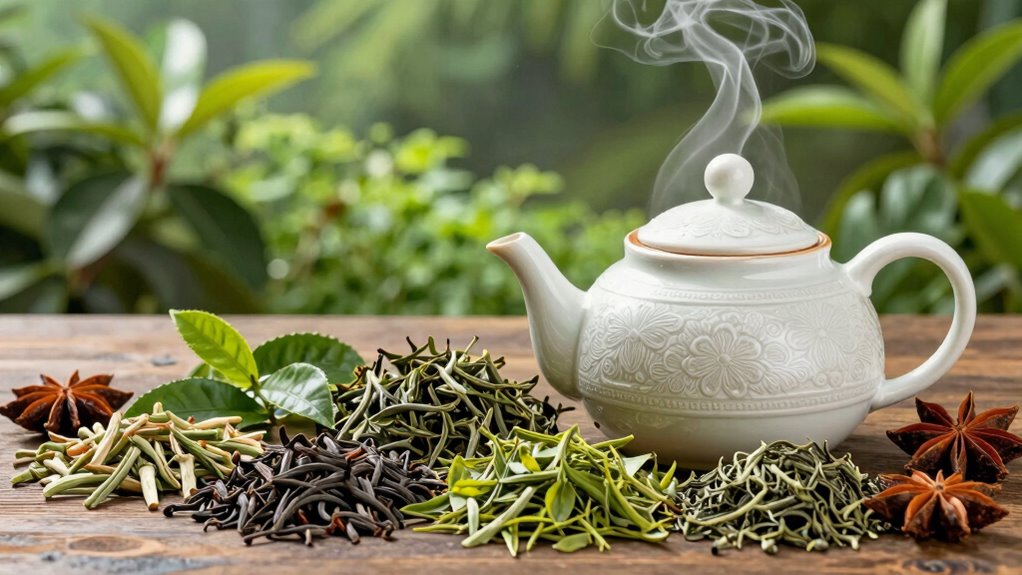
While incorporating tea into your anti-inflammatory diet offers numerous health benefits, it’s important to address some common misconceptions surrounding tea and its effects on inflammation.
Not all teas provide the same anti-inflammatory benefits. Green tea, for instance, is rich in catechins like EGCG, known for reducing inflammation effectively. On the other hand, herbal teas, often underestimated, can also aid in inflammation reduction due to their diverse plant compounds.
Black tea deserves attention too; it can lower C-reactive protein levels, marking its own anti-inflammatory benefits.
Pairing Tea With Other Anti-Inflammatory Foods
Although tea alone offers impressive anti-inflammatory properties, pairing it with other nutrient-rich foods can considerably boost its benefits.
For instance, combining green teas with blueberries enhances their anti-inflammatory effects. This synergy arises from catechins in tea and flavonoids in berries, both potent in fighting inflammation.
Similarly, incorporating tea into meals with beets creates a nutrient-dense combo that’s known to reduce inflammation and support overall health benefits.
Drinking black tea alongside cruciferous vegetables like broccoli amplifies these benefits due to their high antioxidant content.
You can also enjoy a treat by pairing dark chocolate with herbal teas, maximizing their health benefits.
If you include fatty fish in your meal, a side of tea complements the omega-3 fatty acids for overall wellness.
Frequently Asked Questions
Can Tea Help With Joint Pain Relief?
Yes, you can find relief from joint pain by exploring various tea types. Incorporate herbal remedies like turmeric or ginger tea in your routine. They offer natural anti-inflammatory effects, potentially easing discomfort and enhancing mobility.
What Is the Best Time to Drink Tea for Inflammation?
You should drink tea in the morning as part of your ritual, in the evening for relaxation, or before a workout for a boost. Each time offers unique benefits for managing inflammation effectively in your routine.
Are There Any Teas Specifically for Skin Inflammation?
Yes, you’ll find skin-soothing teas like chamomile and calendula. Herbal blends calm inflammation, while topical applications offer relief. Brew, sip, and apply; enjoy the benefits and see your skin transform with these natural remedies.
How Does Tea Compare to Other Anti-Inflammatory Drinks?
Tea often stands out in comparison studies of anti-inflammatory drinks. Herbal infusions offer unique benefits, but exploring beverage alternatives like turmeric lattes can be enlightening. You should consider diverse options to find what works best for you.
Can Children Consume Tea for Its Anti-Inflammatory Benefits?
Absolutely, children can plunge into the magical world of children’s tea! With safe consumption and herbal options, they’ll feel like tiny superheroes battling inflammation. It’s the ultimate potion, transforming afternoon tea into an epic health quest!
Wrapping It Up
Incorporating tea into your diet isn’t just about enjoying a soothing beverage; it’s a proactive step towards reducing inflammation. You might worry that tea alone isn’t enough, but when combined with a balanced diet, its anti-inflammatory properties can be quite impactful. Choose the right teas, brew them properly, and pair them with other anti-inflammatory foods for maximum effect. With thoughtful consumption, you can harness tea’s benefits while minimizing any potential risks, making it a worthy addition to your health routine.